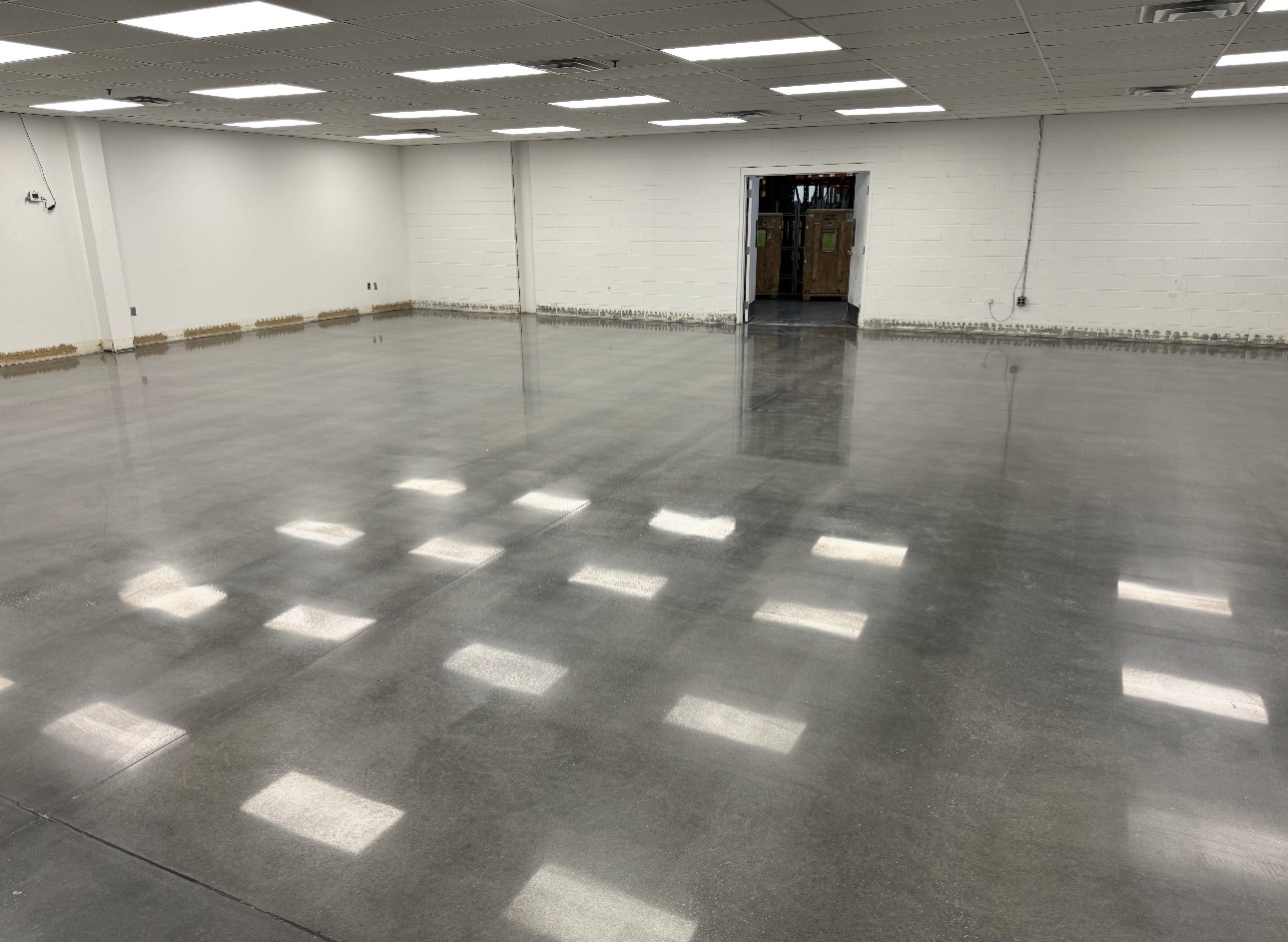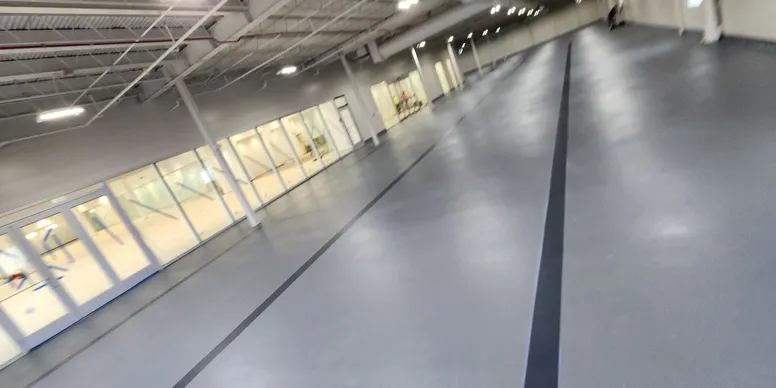
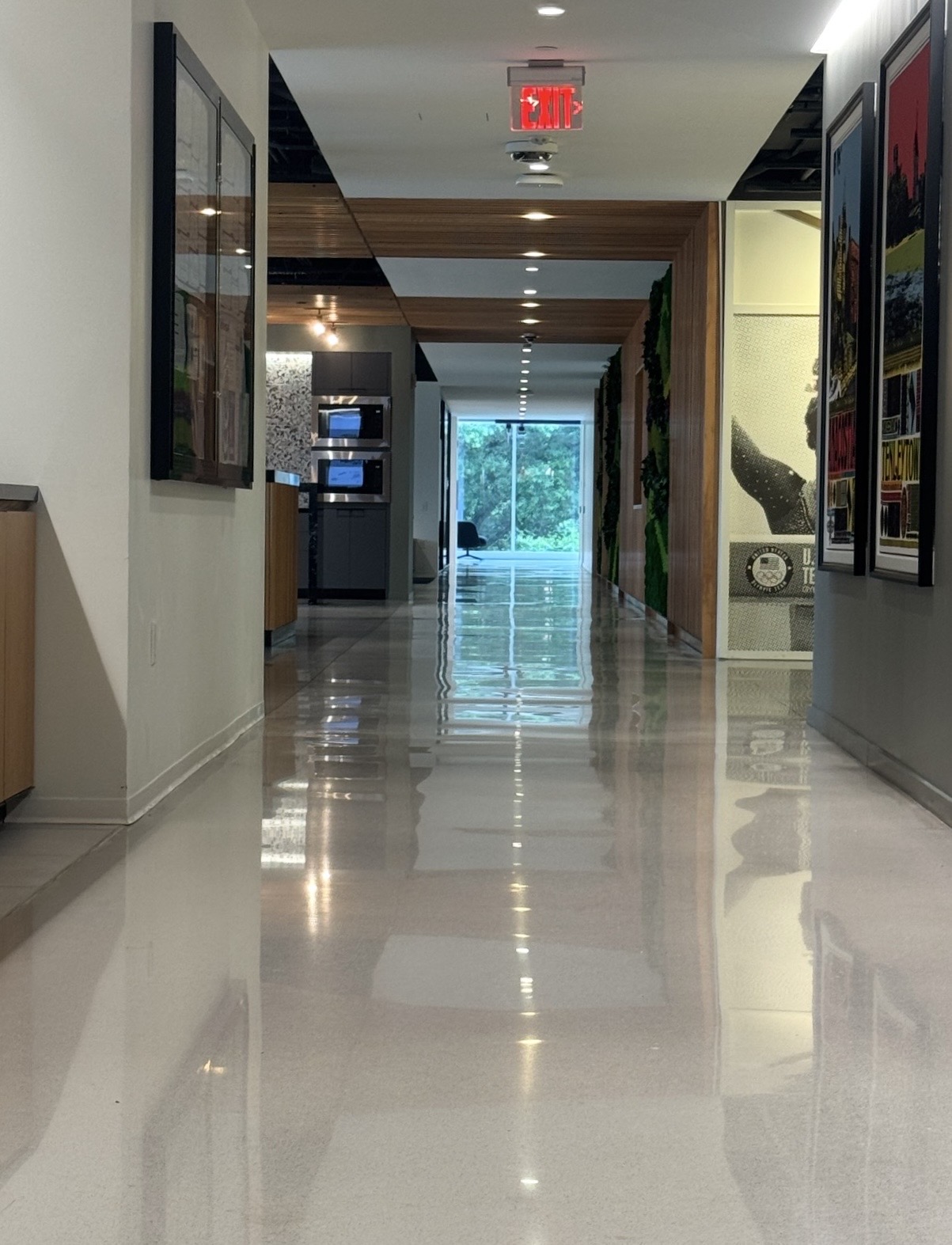
Polished concrete is a durable, decorative flooring created by mechanically grinding, honing, and polishing a concrete slab with progressively finer diamond abrasives, often using densifiers and stains to achieve a smooth, glossy, stone-like finish, making it low-maintenance and popular for industrial, commercial, and residential spaces.

Stained concrete enhances the appearance of your concrete. With an assortment of acid or water-based stains to choose from, design possibilities are endless. The unique finish will amplify the beauty of stone with the durability of concrete. Stain penetrates deeply into the concrete creating a permanent finish that can be used indoors, outdoors, commercial or residential. Stained concrete is easy to clean due to its resilient, seamless surface.
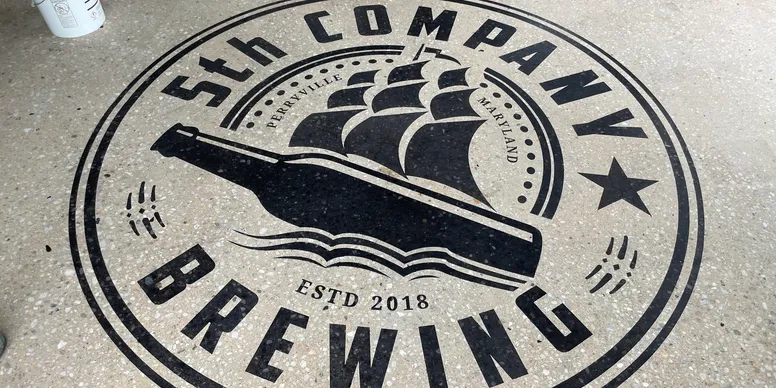
A qualified, experienced contractor would test an area to be performed on accordingly.Polished concrete stencils are for high-end decorative finishes. Used with dyes, stains, or paints, they create precise, intricate patterns like Mediterranean tiles or custom logos, bringing artistic, long-lasting detail to polished floors, driveways, and walls.

Broadcast epoxy is a high-performance, durable flooring system created by broadcasting colored quartz, sand, or vinyl flakes into a wet epoxy base coat to create a thick, textured, and seamless surface. Ideal for garages, commercial spaces, and industrial areas, it offers superior impact resistance, anti-slip properties, and hides floor imperfections to bind tile or carpet. The removal of mastic is often challenging to remove without special equipment. This process is essential for obtaining a smooth concrete surface.
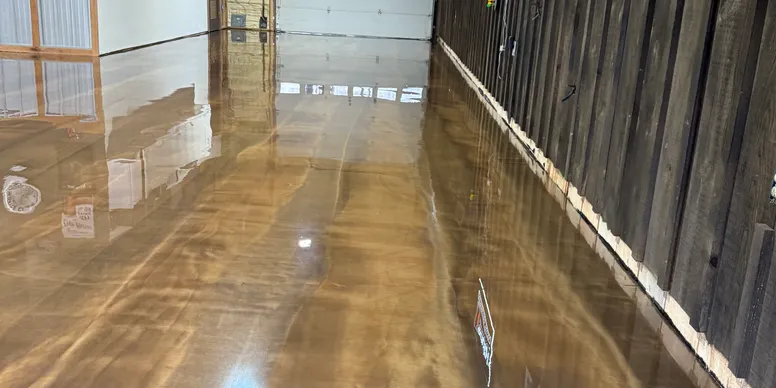
Metallic epoxy is a high-end,, durable, and seamless flooring system created by mixing clear, 100% solids epoxy resin with metallic pigment powders, often resulting in a 3D, pearlescent, or lava-flow appearance. As it cures, these pigments move and settle, creating unique, artistic, and reflective designs that look like stone or marble

Sealed concrete is a protective treatment applied to concrete surfaces—such as driveways, patios, and floors—to shield them from moisture, stains, chemicals, and freeze-thaw damage. By applying either a topical, film-forming, or penetrating sealer to the porous surface, the concrete becomes more durable, easier to clean, and often has a enhanced glossy or matte appearance.

Urethane Cement is a heavy-duty, hybrid flooring system combining polyurethane resins, Portland cement, and aggregate to create an extremely durable,, chemical-resistant, and, thermal-shock-resistant surface

Concrete surface preparation is the essential process of cleaning, profiling, and repairing a concrete substrate to ensure proper adhesion of coatings, sealers, or overlays. Key steps include removing contaminants (oil, grease, paint), repairing cracks/voids, and mechanically profiling the surface to a specific International Concrete Repair Institute (ICRI) Concrete Surface Profile (CSP) 1-10 level. Common techniques include diamond grinding, shot blasting, and scarifying.

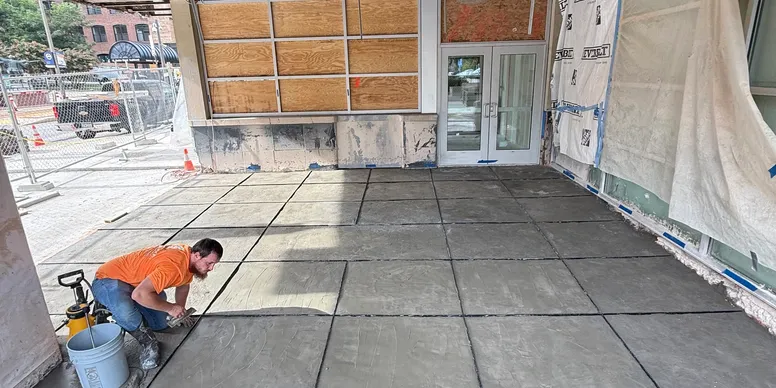
A concrete overlay is a thin, durable layer of polymer-modified cementitious material, typically 1/8 to ¾ inch thick, applied over existing concrete to repair damage or add decorative finishes. It serves as a cost-effective, long-lasting alternative to replacement, enhancing driveways, patios and floors with new textures, colors. or patterns.

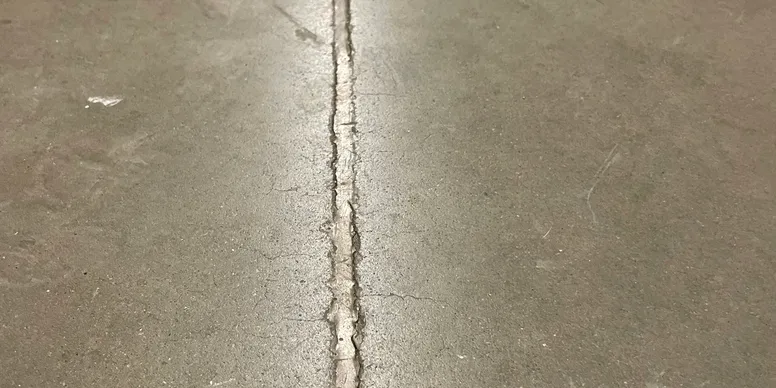
Concrete joint filler is
a semi-rigid or flexible material (such as polyurea, epoxy, or silicone) applied to joints in concrete slabs to protect edges from heavy traffic damage and prevent debris accumulation
Concrete joint rebuilding involves
removing deteriorated joint filler and damaged concrete, cleaning the void, and filling it with durable, flexible materials to restore structural integrity and accommodate movement

Terrazzo installation is a specialized, multi-step process involving preparing a substrate, pouring a mixture of epoxy or cement resin with aggregates (marble, glass), grinding, grouting, and polishing to a smooth finish.
Terrazzo restoration is a multi-stage process that revives worn, stained, or damaged terrazzo flooring through deep cleaning, diamond grinding, repairing cracks with color-matched epoxy, and polishing to a high-gloss or matte finish. This sustainable process removes surface imperfections and adds protective sealers to restore the floor's original beauty and durability

sheet rubber flooring is a slip-resistant safety flooring specifically designed to meet the rigors of the modern commercial environment. Sheet rubber flooring is a high-performance short staple fiber and polyvinyl solution that sets a new standard in commercial flooring.
Granulated rubber is slip-resistant, cost-effective, and flexible flooring specifically designed to meet the rigors of both the commercial and residential environment. Granulated rubber is a combination of Sytrene Butadiene Rubber (SBR) and Ethylene Propylene Diene Monomer (EPDM) in order to produce the highest quality material at the lowest possible price to achieve greater cost effectiveness in heavy wear applications.

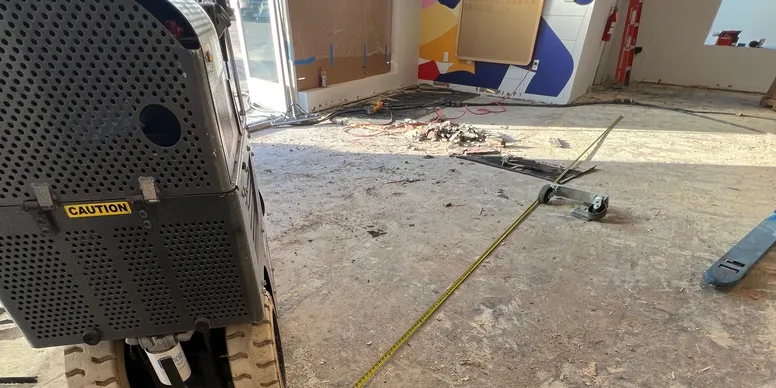
Removing mastic (adhesive) from concrete involves mechanical grinding with diamond tools, such as PCD (Polycrystalline Diamond) cutters, or chemical removal.
Mastic is an adhesive used to bind tile or carpet. The removal of mastic is often challenging to remove without special equipment. This process is essential for obtaining a smooth concrete surface.

Concrete water proofing and moisture mitigation involves
applying specialized coatings, such as epoxy, or installing barriers to reduce or eliminate water vapor transmission through concrete slabs. This prevents moisture-related failures like flooring adhesive failure, blistering, warping, and mold.
Copyright © 2020 Mason-Dixon Polished Concrete, Inc. - All Rights Reserved.